 Slow overland journeys · Vietnam, Laos, Cambodia
Plan · Pacing
Pacing a trip of three to five weeks
A two-week itinerary can run on adrenaline. A five-week one cannot. These are the rules we use to space stops, rest days and laundry on a long overland route, and how the seasons shift as the route crosses three climate zones.
The four rules
- No stop shorter than two nights. One-night stops are where long trips go wrong: unpack, repack, leave. We use them on the slow boat (Pakbeng), before a border (Stung Treng), and in start, end or transit towns such as Huay Xai, Pakse or Phnom Penh, where the night is the point.
- One empty day in every five or six. Nothing booked, no guide, no transfer. It goes after the hardest leg of that stretch — the morning after a night train or a border day.
- A stay of three nights or more about every seven to ten days. That is the laundry rule. One bag of clothes lasts about a week in the heat. Hotel and guesthouse laundry usually needs a day, sometimes two in the rains, so the stop has to be long enough to send it and get it back.
- Hard legs early in the day, short legs late. Border days start early so a delay does not push you into the dark on a rural road.
Where to stay longer
| Place | Nights we plan | Why longer here |
|---|---|---|
| Hue | 3–4 | First stop after the night train; citadel and tombs need two separate days |
| Luang Prabang | 5 | End of two days on the boat; the town changes through the day |
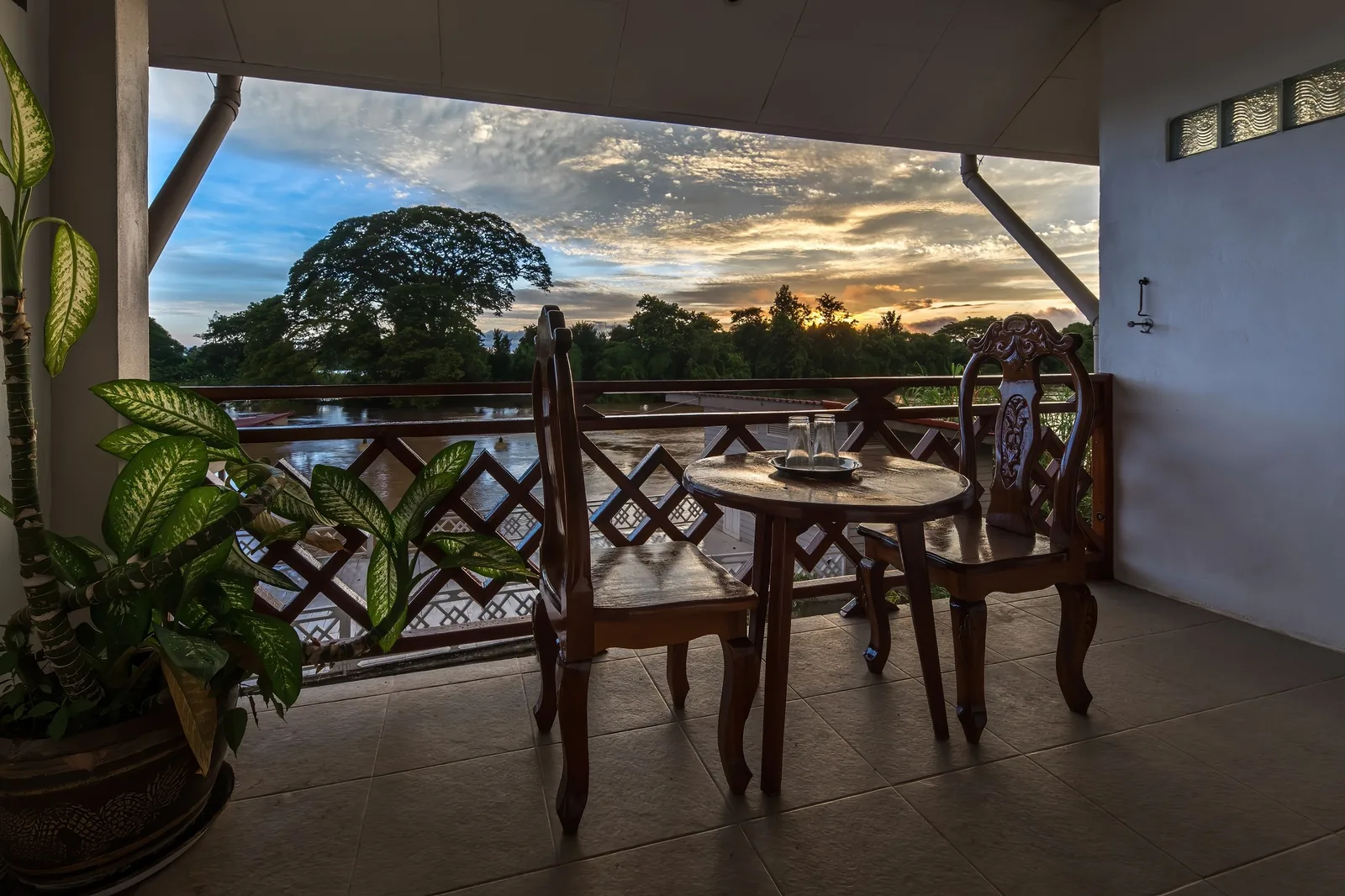
| Si Phan Don | 4 | The slowest place on any route; laundry dries fast in the dry season |
| Siem Reap | 4–5 | Temple days are tiring; rest days between them |
| Can Tho, Mekong Delta | 3 | Dawn market; rest after the long train south |
| Phnom Penh | 3–4 | Capital-sized; recovery after a long road day |
The common thread: each of these follows a long or tiring leg. You stay longer where you arrive tired, not only where there is most to see.
Seasons along a route that crosses three climate zones
3 = comfortable; 2 = workable; 1 = hard (heavy rain, floods or strong heat). Our reading of the sources below.
A route from Hanoi to Angkor crosses a north with a real winter, a central coast with its own late rainy season, and a tropical south. No month is kind to all of it. Northern Vietnam is cold from December to March and clear and mild in September and October. Hue's kindest months are February to April; its rains run from August, often into January, with floods most likely from October to the end of the year. The delta is coolest in December and January, wet from July to November. The islands of southern Laos are most comfortable in the dry season, November to April.
In practice that means two good windows for a north-to-south trip: roughly February to April, when Hue is at its kindest and the south is dry but warming; and November to January, if you accept rain on the central coast and keep spare days there. Around Tet, many businesses close and trains fill; plan it in or plan around it.
Sources: Vietnam National Authority of Tourism — FAQ; Vietnam National Authority of Tourism — Hue; Vietnam National Authority of Tourism — Can Tho; Backpack Adventures, 4000 Islands guide (modified 29 May 2026) · checked .
Fewer flights, more time: deciding leg by leg
Not flying is not a rule we follow everywhere. For each leg we ask three questions. Does the overland option show you something — the Hai Van Pass, the Mekong between Huay Xai and Luang Prabang? Does it save a hotel night, like the night train? Or is it a long road day that is only tiring? The first two are worth the time. The third is where we suggest the flight, as on Vientiane to Pakse.
The costs of fewer flights are real. A month-long overland route through three countries has four or five long travel days, and each one needs a rest day near it. That is why our shortest journey is eighteen days. The overland legs table lists every leg with its comfort rating.
Packing for the pace
- One bag you can lift onto a train rack and carry down a riverbank. Wheels are little use on the islands.
- A small overnight bag for the night train and Pakbeng, so the big bag stays closed.
- A warm layer: night trains and long-distance coaches run their air-conditioning cold.
- Enough clothes for about a week; the laundry stops cover the rest.
- Cash for southern Laos and the Cambodian river towns, where card payment and ATMs are not reliable.
Common questions
Questions travellers ask most
Isn't a rest day a wasted day?
On a five-week trip, no. The rest days are what keep the last week as good as the first, and they absorb delays without moving every booking.
What is the longest you would plan without a rest day?
Six days, and only if none of them includes a night train or a border.
Which month would you choose for Hanoi to Angkor?
February to April for the gentlest weather across the whole route, avoiding the Tet holiday if you can.
Do hotels do laundry everywhere?
Almost everywhere we stay, yes, usually priced by weight or by piece. In the rains it can take two days to dry.
Related
Read next
Plan · Overland legs
Overland legs
The leg table: hours, mode, comfort and relative cost for every overland leg we use.
View this journey
Journeys
Journeys
All four journeys side by side: days, legs, flights and who each one suits.
View this journey
Example journey
Hanoi to Angkor overland
30 days, three countries, no internal flights: Hanoi to Angkor by rail, road and river.
View this journey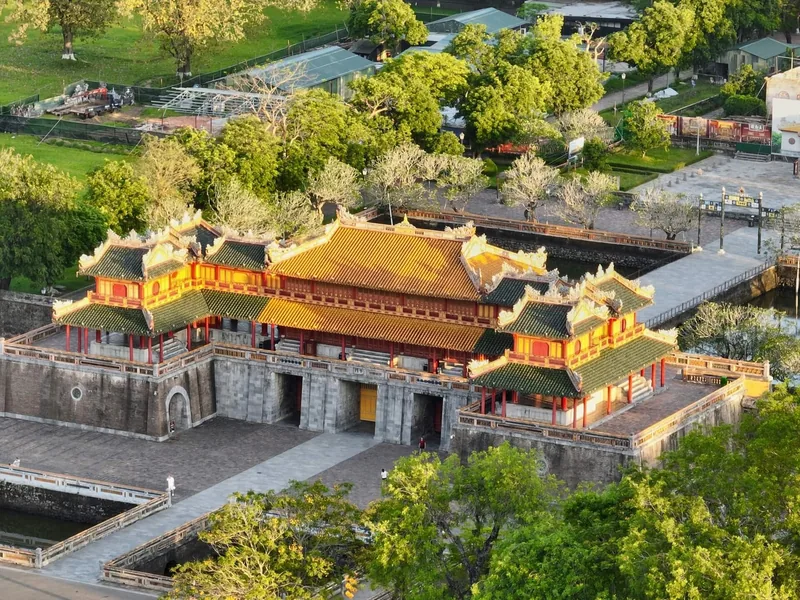
Destinations · Central Vietnam
Hue
The old imperial capital on the Perfume River: three to four nights after the night train.
View this journey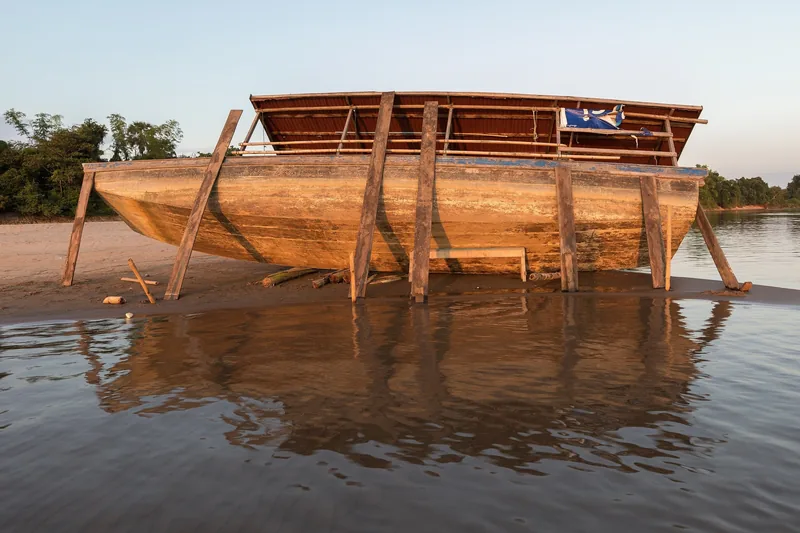
Destinations · Southern Laos
Si Phan Don
Four nights in the islands at the bottom of Laos: bicycles, waterfalls and very little else.
View this journey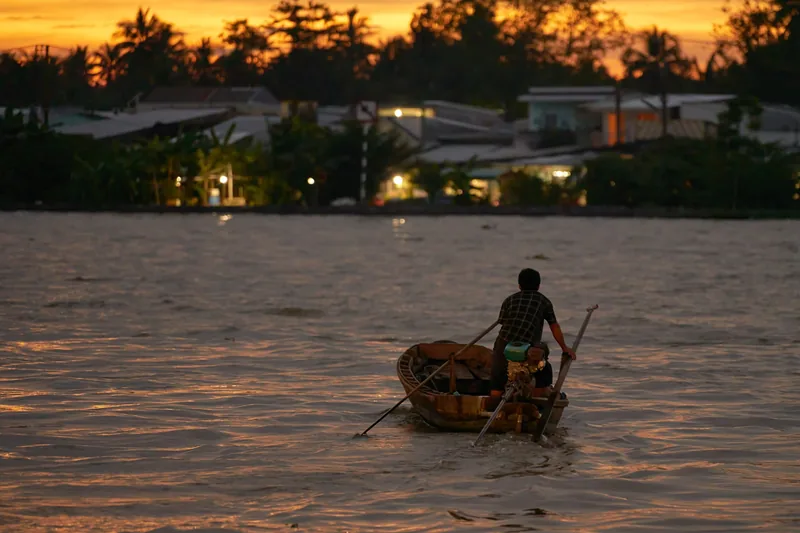
Destinations
Destinations
The four long stops of our journeys, and the shorter stops between them.
View this journey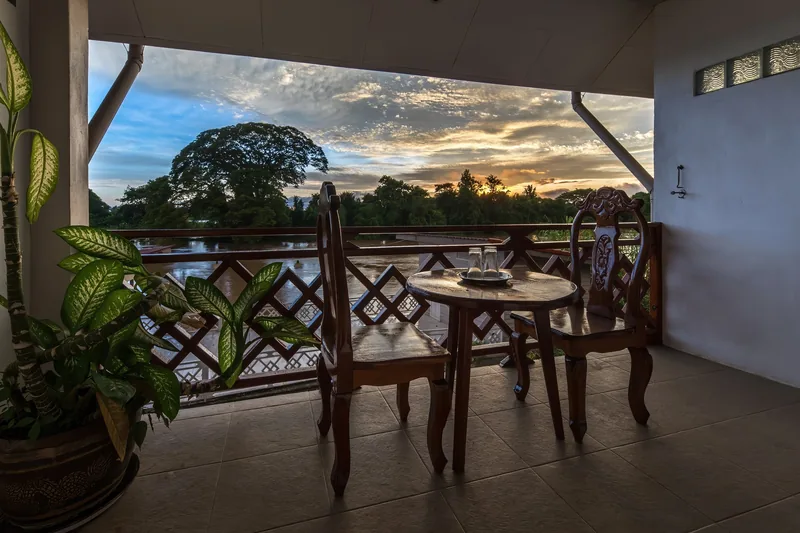
Start planning
Tell us about the long trip you have in mind
Weeks available, month and party size are enough to start. You get questions first, then a leg-by-leg outline, not a brochure.